



Queen Kristina 400 years – queen and muse
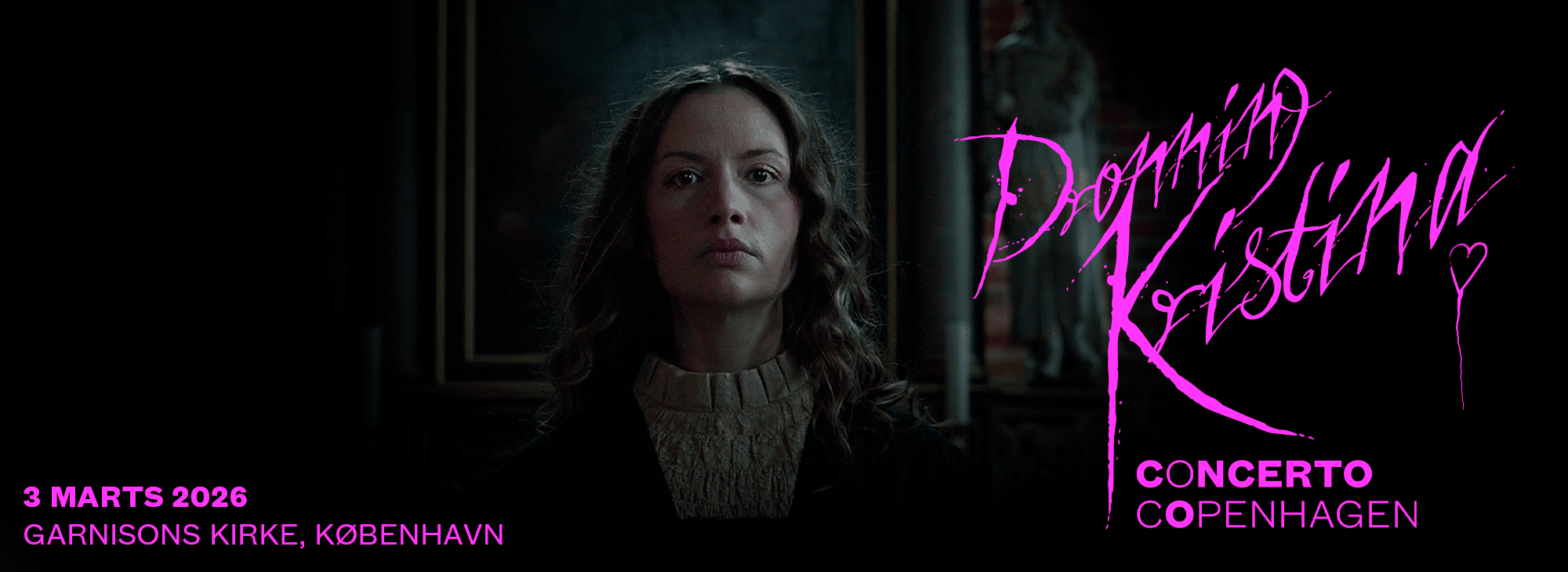
From the throne in Stockholm to the heart of the art world in Rome.
CoCo is celebrating her 400th anniversary with music from her dramatic and inspiring journey.
The story of Queen Christina of Sweden is worthy of a TV series. Born in 1626 in Stockholm and died in 1689 in Rome, she lived a life filled with drama, power, and upheaval.
Her father, King Gustav II Adolf, fell in the Thirty Years’ War in 1632, and although Christina was only six years old, she was proclaimed Queen of Sweden. As regent from 1644, she was deeply respected as a skilled politician and recognized for her knowledge of philosophy, art, and science.
But at just 28 years old, she abdicated the throne, left Sweden, and rode through Denmark to Germany and the Netherlands disguised as a man, before continuing on to Innsbruck. There she converted to Catholicism and eventually ended up in Italy, where she was welcomed as a heroine—carried through the streets of Rome on a golden chair designed by Bernini.
Much of Kristina’s journey and life is well documented—including her passion for art and music. In 1656, she founded the Arcadia Academy in Rome, where the era’s greatest thinkers and artists discussed literature, science, and music. Composers such as Scarlatti, Corelli, Stradella, and Pasquini were among the members—and are today regarded as some of the most innovative and expressive figures of the Italian Baroque. Even Corelli’s Opus 1, comprising 12 trio sonatas, was dedicated to Queen Christina.
Concerto Copenhagen celebrates the 400th anniversary of Queen Christina with a concert that traces her life’s journey from Stockholm, through a turbulent Europe, and on to Rome. Along the way, we’ll hear some of the music she encountered, inspired, and left her mark on.
From the throne in Stockholm to the heart of the art world in Rome.
CoCo is celebrating her 400th anniversary with music from her dramatic and inspiring journey.
The story of Queen Christina of Sweden is worthy of a TV series. Born in 1626 in Stockholm and died in 1689 in Rome, she lived a life filled with drama, power, and upheaval.
Her father, King Gustav II Adolf, fell in the Thirty Years’ War in 1632, and although Christina was only six years old, she was proclaimed Queen of Sweden. As regent from 1644, she was deeply respected as a skilled politician and recognized for her knowledge of philosophy, art, and science.
But at just 28 years old, she abdicated the throne, left Sweden, and rode through Denmark to Germany and the Netherlands disguised as a man, before continuing on to Innsbruck. There she converted to Catholicism and eventually ended up in Italy, where she was welcomed as a heroine—carried through the streets of Rome on a golden chair designed by Bernini.
Much of Kristina’s journey and life is well documented—including her passion for art and music. In 1656, she founded the Arcadia Academy in Rome, where the era’s greatest thinkers and artists discussed literature, science, and music. Composers such as Scarlatti, Corelli, Stradella, and Pasquini were among the members—and are today regarded as some of the most innovative and expressive figures of the Italian Baroque. Even Corelli’s Opus 1, comprising 12 trio sonatas, was dedicated to Queen Christina.
Concerto Copenhagen celebrates the 400th anniversary of Queen Christina with a concert that traces her life’s journey from Stockholm, through a turbulent Europe, and on to Rome. Along the way, we’ll hear some of the music she encountered, inspired, and left her mark on.
PROGRAM
Program:
B. Pasquini: Overture to “La sete de Christo”
A. Stradella: Sinfonia in D major “A concertino e concerto grosso distinti”
B. Pasquini: Toccata con lo scherzo del cucco (harpsichord solo)
A. Corelli: Trio Sonata, Op. 1, No. 8
A. Scarlatti: Concerto No. 4 in G minor
-pause-
A. Scarlatti: Overture to “Giuditta”
A. Stradella: Sinfonia from “Qual prodigio è ch’io miri?”
A. Scarlatti: Cello Sonata No. 3
B. Pasquini: String Quartet
A. Corelli: Concerto grosso, Op. 6, No. 1
CONCERTS
No events found for this series.